Welcome to El Monte. It is the San Gabriel Valley city that history still calls the "End of the Santa Fe Trail": the first wagon train to follow that route west arrived here in 1849, drawn by the fertile ground between the Rio Hondo and the San Gabriel River, and the settlement grew into its own incorporated city. Today El Monte is a dense, diverse, family-friendly San Gabriel Valley city roughly 12 miles east of downtown Los Angeles, with easy I-10 access, more parks than you might expect, established shopping districts, and serious local dining. This guide covers what El Monte is really like, from its neighborhoods and schools to its home values and rents, with every figure labeled as the approximate observation it is.
Where is El Monte, and why should a buyer care?
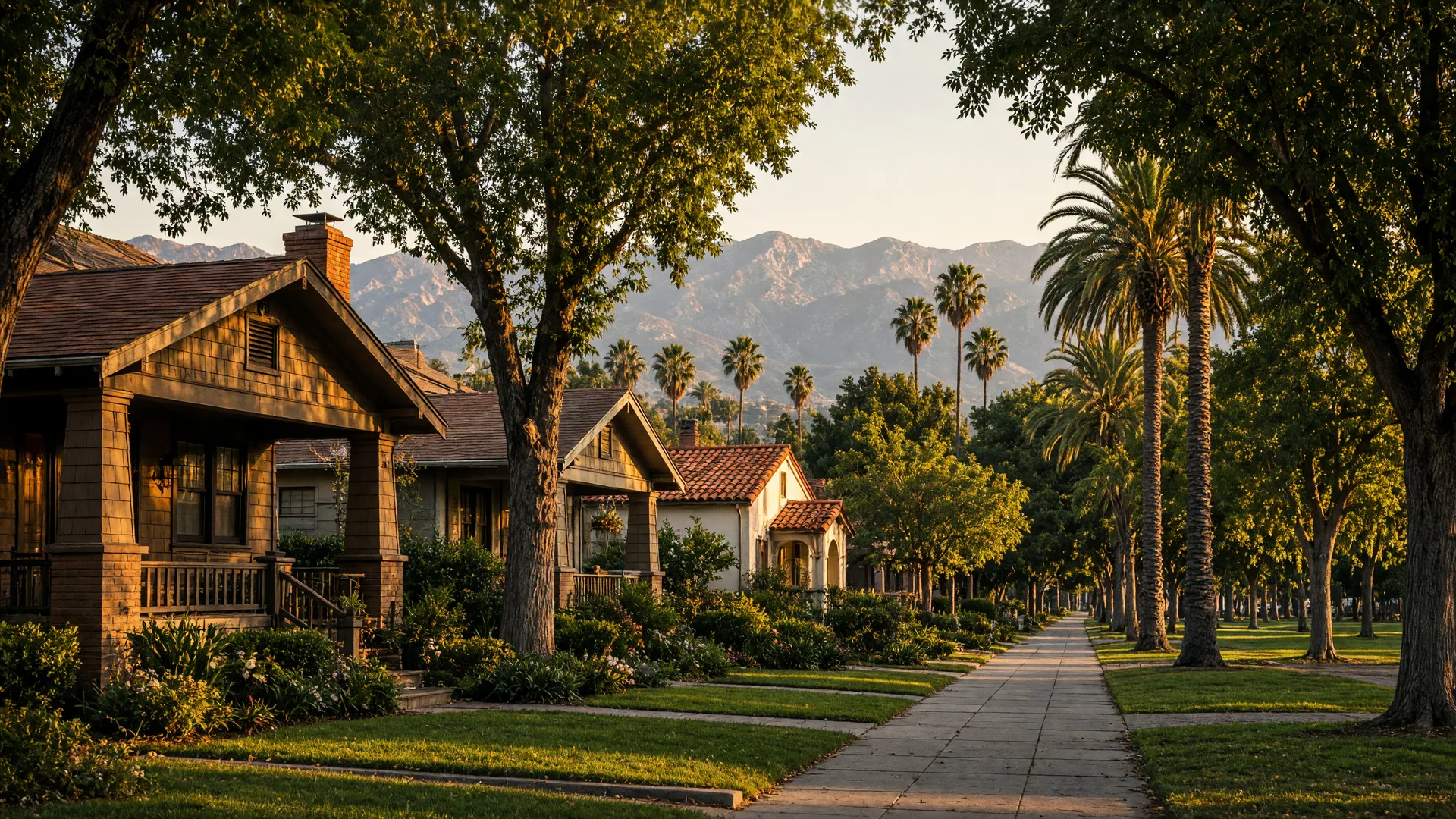
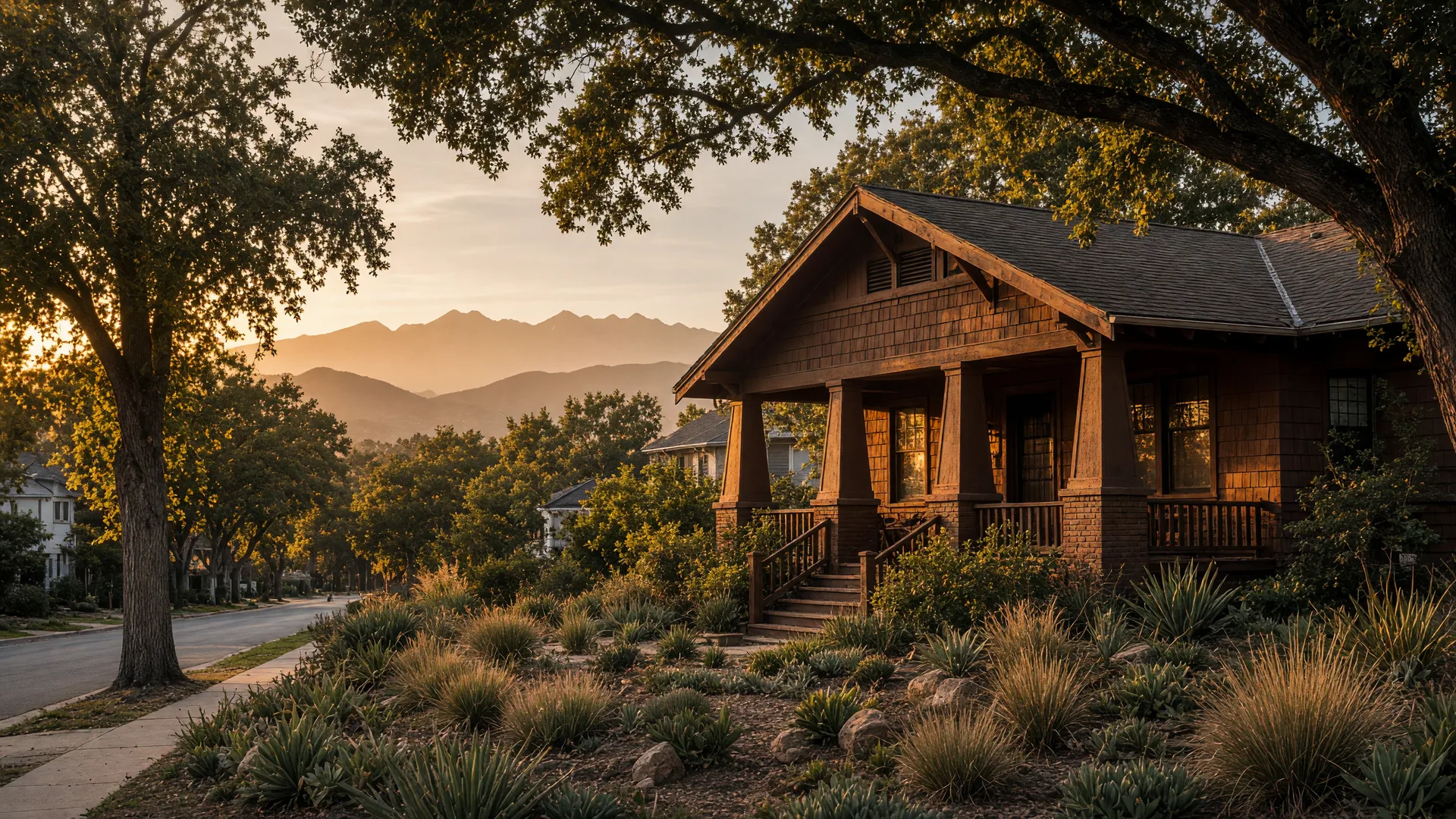
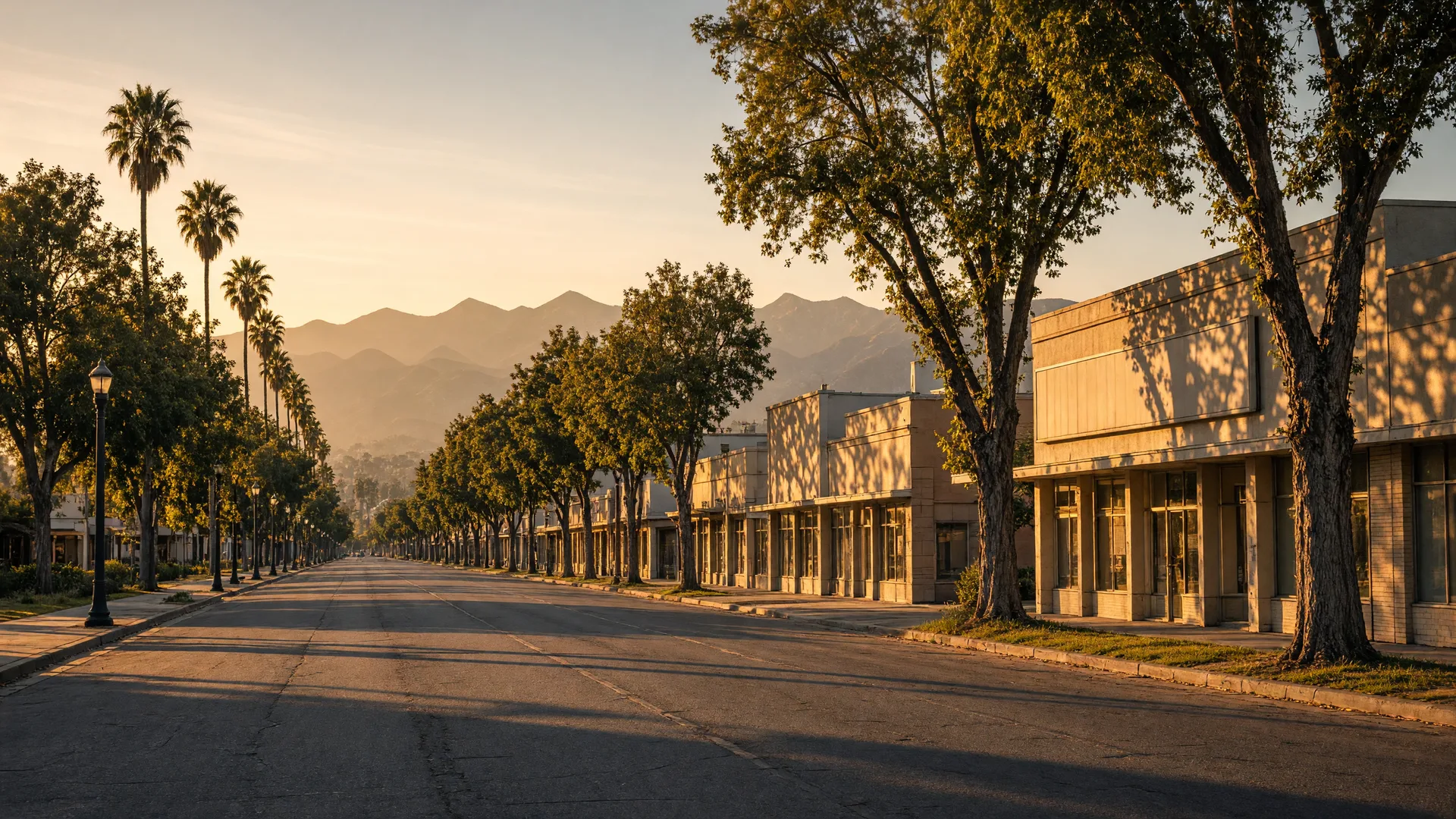
El Monte sits in the heart of the San Gabriel Valley, roughly 12 miles east of downtown Los Angeles, with the Rio Hondo running along its western flank and the San Gabriel River on its east side. The I-10 freeway cuts through the city, which makes commutes to downtown LA, the San Gabriel Valley's job centers, and the Inland Empire straightforward. It is an older, denser suburb in the best sense: established blocks, mature trees, real neighborhoods, and a pace that families have liked for generations.
The "End of the Santa Fe Trail"
El Monte's nickname comes from its place at the old western end of the Santa Fe Trail, the wagon route that carried settlers from Missouri through Santa Fe, New Mexico, to Southern California. The first wagon train on the route arrived in 1849 and stayed, and the town that grew here in the 1850s became one of Southern California's earliest settlements. The city honors the connection at Santa Fe Trail Historical Park, and El Monte was incorporated as a city in 1912. For buyers, that early history shows up in a city with old, established bones: century-old neighborhoods, long-running family businesses, and a rooted community rather than a brand-new subdivision.
El Monte at a glance
Approximate observations, November 2026
El Monte at a glance
El Monte's numbers, read from public data in November 2026. These are observations for context, not guarantees and not current quotes, and they shift as the market and rates move.
Population
About 105,000 to 106,000
Approximate, from public data
Median age
About 38
Homeownership
Mostly renters
A strong first-time-buyer market here
Median household income
About $68,000 (ACS)
Per-capita income around $27,000, with household poverty around 17%. Useful context for affordability conversations.
Community
Majority Hispanic/Latino
A diverse community where Spanish-language service matters deeply
Median home value
About $645,000 (ACS)
Detached single-family homes largely $690,000 to $740,000
Typical rent
About $2,100 a month overall
Three-bedroom houses near $1,900; two-bedroom apartments around $2,175
Schools by level
- Well-regarded elementary schools (approximate, and ratings vary by source): New Lexington, Cherrylee, Shirpser, Rio Vista, and Durfee
- High schools are served mainly by the El Monte Union High School District, with Arroyo High and El Monte High among the notable options
- School districts: the El Monte City School District, with the Mountain View School District serving parts of the city, and the El Monte Union High School District for high school
All figures above are approximate observations from public data as of November 2026, not guarantees or current quotes. Home values, rents, and rates change constantly, and every buyer's situation is different. For today's numbers, text or call Alejandro at (626) 314-9170.
What El Monte feels like: parks, districts, and dining
El Monte is a dense, diverse, family-friendly suburb: lots of parks, established shopping districts including Mountain View, Norwood-Cherrylee, and Arden Village, and a local dining scene that punches well above its size, from decades-old taquerias to family-run bakeries. Families choose El Monte for that mix, parks where kids grow up, neighborhood stores where everyone knows each other, and food that gets enjoyed generation after generation. And because much of the city's housing is rented, it leaves room for first-time buyers to get in at prices that feel more attainable than in other valley cities.
Homes and financing in El Monte
El Monte's market is one of the San Gabriel Valley's more attainable for first-time buyers: median home values around $645,000 in public data, with many detached single-family homes in the $690,000 to $740,000 range, and a rental market where three-bedroom houses run near $1,900 a month. That combination matters because it makes homeownership reachable in a city where a large share of households currently rent. The right loan makes the difference: pre-approval, loan type, and rate all change what you can afford. Alejandro pairs the home search with the mortgage numbers, so you compare apples to apples.
Which school district serves your El Monte address?
Most El Monte elementary schools belong to the El Monte City School District, with the Mountain View School District serving parts of the city, and high school is served mainly by the El Monte Union High School District. Well-regarded elementary options include New Lexington, Cherrylee, Shirpser, Rio Vista, and Durfee, and notable high schools include Arroyo High and El Monte High. Boundaries are assigned by exact address, so verify the specific property with the district, and be honest about one thing: school ratings vary by source, so read more than one.
El Monte, Pasadena, and the wider valley
El Monte sits closer in price to San Gabriel Valley cities like Alhambra and Temple City than to Pasadena, and its schools, commutes, and vibe are its own. If you are comparing valley cities, the Pasadena vs. neighboring cities guide is a good starting point, and the Highland Park guide on this site covers a different world entirely, an arts-driven Los Angeles neighborhood with its own price story. Both are part of the same conversation about where to live and what to pay.
Related guides on this site

This guide is for general information, and is not mortgage, legal, or tax advice. Loan products and rates vary by lender, and all terms come from the lender, never from this website.